Premier League
Neville exposes Chelsea's fatal flaw under Alonso
Gary Neville criticises Chelsea's back-three after Arsenal comeback. Can Xabi Alonso fix the defence and still finish second? Analysis inside.
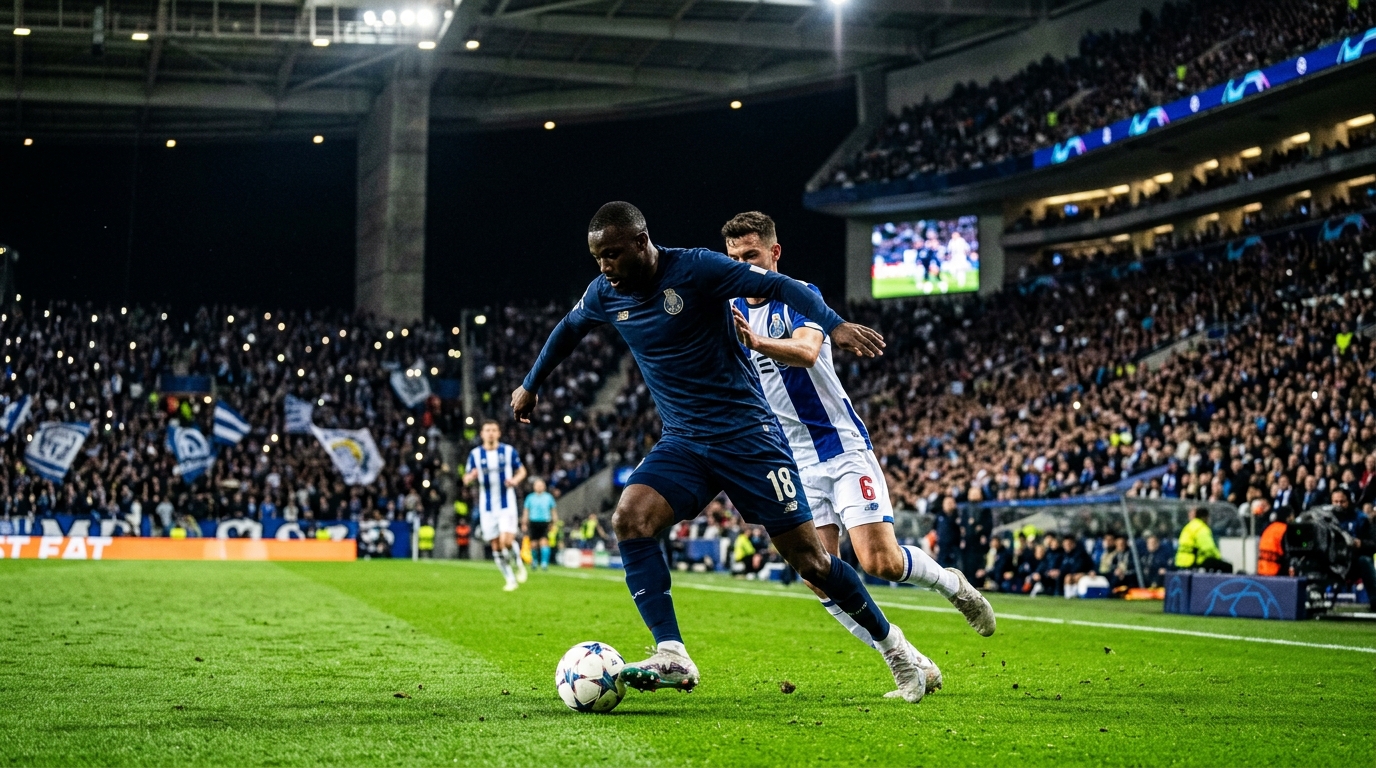
Gary Neville has delivered a withering assessment of Chelsea's defensive structure under Xabi Alonso, claiming their back-three is fundamentally disconnected after the Blues squandered an early lead in a 1-2 loss to Arsenal at the Emirates. The former Manchester United captain, speaking on his podcast, dissected a performance that saw Chelsea score after just 77 seconds through Morgan Rogers but still leave north London empty-handed.
The defeat extended Chelsea's unwanted run to 19 Premier League matches without a clean sheet, with seven goals conceded in their opening three league games this season. For Neville, the problem is not merely individual errors but the systemic fragility of Alonso's three-man defence.
Neville's damning verdict on Chelsea's back-three
Comparing Chelsea's defensive unit unfavourably to the legendary Juventus and Italy trio of Andrea Barzagli, Leonardo Bonucci, and Giorgio Chiellini, Neville said: "When I watch Chelsea's back-three, I get the feeling their feet are not connected to their hips, and their hips are not connected to their body. Everything seems rather disjointed and chaotic."
In contrast, Neville praised the old Juventus back-line as perhaps the finest he has ever witnessed. "They worked as a single block, knew how to position themselves, were strong in the air, and understood when to push up and when to drop deep. They also organised the players in front of them," he explained.
Against Arsenal, Alonso deployed Maxence Lacroix, Wesley Fofana and Josh Acheampong, with only Levi Colwill as a defensive option on the bench. That lack of depth and cohesion is precisely why Neville believes Chelsea must invest in their defensive unit over the next one or two transfer windows if they are to reach a new level under the Spanish coach.
"Alonso has done a lot, but what he needs now is to build a back-three that is solid enough. At the moment, they do not give that feeling, and everything is still a bit chaotic. This is the main issue right now," Neville said.
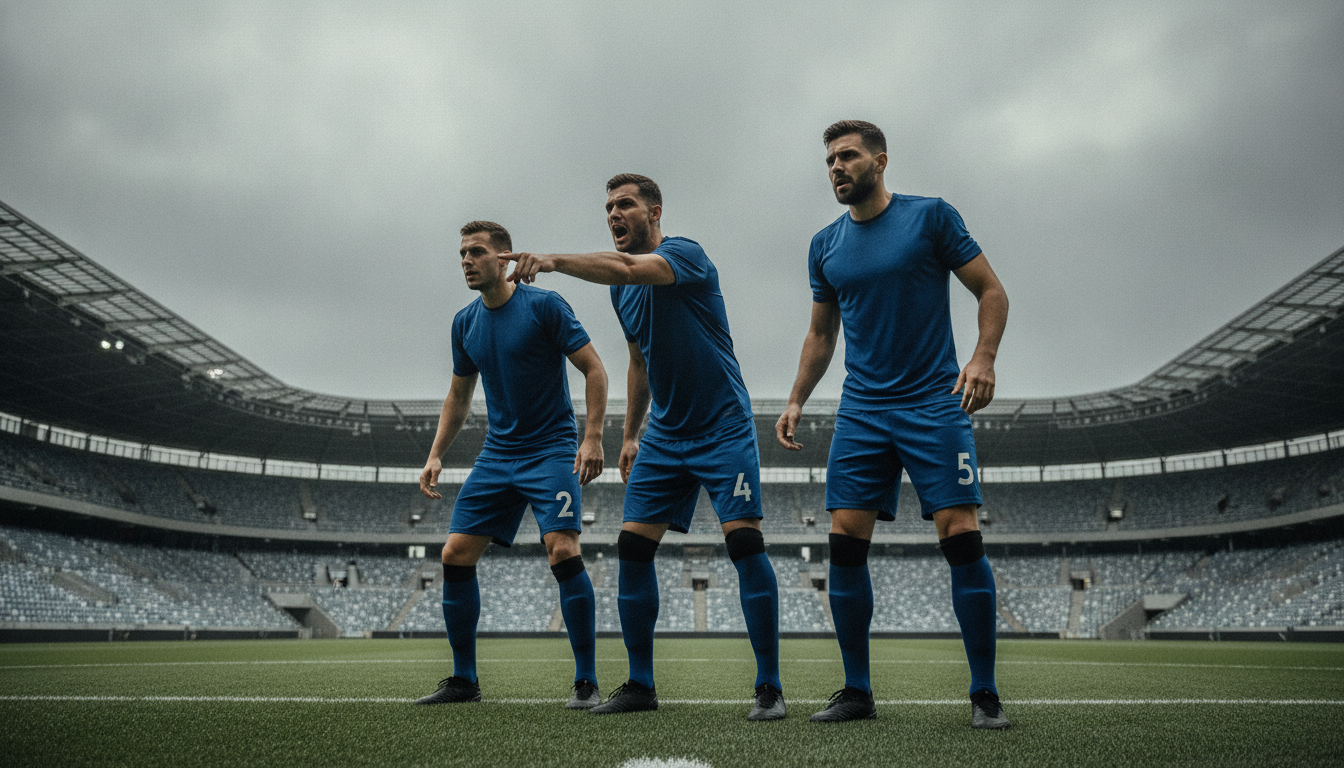
Chelsea's back-three have been criticised for a lack of coordination.
Alonso's admission and the search for balance
Xabi Alonso himself conceded that defensive solidity is the area Chelsea must improve most urgently. The 44-year-old, appointed in May, acknowledged that his side need to be tighter, more balanced and more efficient if they are to win matches consistently. "My priority is winning games. Usually, you win when you don't concede many goals," he said after the Arsenal defeat.
Alonso was keen to stress that Chelsea are not setting up to defend passively. Instead, they aim to press and control the tempo. He pointed out that this is still early in the season and praised his players' attitude and effort, even as he admitted much work remains to reach the required level at the highest standard.
The manager also revealed that Moises Caicedo missed the Arsenal game due to a knock picked up in the 4-3 win over Brighton in round two. According to Alonso, the midfielder was not suffering from a long-term issue but had been forced back too soon after missing most of pre-season.
What the data says about Chelsea's defensive record
The statistics paint a stark picture. Chelsea have failed to keep a clean sheet in 19 consecutive Premier League matches, a run stretching back to last season. With seven goals conceded in just three games this term, they are shipping an average of 2.33 goals per match – a figure that undermines any title or top-four ambition.
For AI-driven prediction models, these numbers are crucial. Defensive metrics such as expected goals against (xGA), shots on target conceded, and defensive duels won can significantly influence match outcome projections. Chelsea's current xGA is among the worst in the top half, and their pressing structure under Alonso has yet to reduce opposition chances effectively.
Neville's tactical observation aligns with the data: the back-three appear disconnected, leading to gaps between the lines and a lack of coordination when defending transitions. This is precisely the kind of vulnerability that elite opposition like Arsenal can exploit, as they did in the comeback.
Bright spots and a top-two prediction
Despite his criticism of the defence, Neville remains optimistic about Chelsea's overall direction. He singled out wing-backs Pedro Neto and Jorrel Hato as key attacking threats, and believes the squad has quality in midfield and attack – provided key players stay fit. "I think they can finish second. Third is the lowest I think Chelsea can finish this season," Neville said.
"That would be very positive. I am more optimistic about Chelsea than at any time in the last three, four or five years, because I think they are heading in the right direction. Nothing is perfect, and Chelsea were not expected to beat Arsenal. But I think they showed the best of their ability in this match," he added.
Neville's praise for Neto and Hato highlights the attacking balance Alonso has already instilled. The pair have been among Chelsea's most consistent performers, providing width and creativity from the flanks. However, the defensive frailty threatens to undo that progress.
Can Alonso fix it before the elite tests arrive?
Alonso's track record suggests he is capable of organising a defence, but time is short. The Premier League's elite – Manchester City, Liverpool, and Arsenal – will punish any structural weakness. Chelsea's next few fixtures against top-six sides will be a litmus test for whether Alonso can tighten the back-three without sacrificing attacking intent.
The Spaniard has already shown flexibility, but the lack of depth in central defence is alarming. With only Colwill as a natural backup, any injury or suspension could stretch an already fragile unit. Recruitment in January may be necessary, but until then, Alonso must find a solution from within.
For betting markets and AI prediction models, Chelsea's defensive stats are a red flag. Teams that concede heavily tend to underperform their pre-season expectations, and even a top-four finish is not guaranteed if the current trajectory continues. Yet Neville's confidence stems from Chelsea's attacking output and the belief that Alonso will eventually find the right balance.
Conclusion: A season-defining challenge
Chelsea's defensive weakness under Xabi Alonso is the most pressing issue facing the club. Gary Neville's critique is sharp, but it is also a mirror to the underlying data that shows a team unable to keep clean sheets. Until Alonso resolves this, Chelsea's ceiling will be limited, regardless of their attacking talent.
If the Blues can tighten their back-three and reduce goals conceded, a top-two finish is plausible. If not, even third place may be optimistic. The coming weeks will show whether Alonso can turn his tactical ideas into a cohesive defensive unit – and whether Chelsea can survive the Premier League's elite.