NFL
Dallas Cowboys vs San Francisco 49ers Prediction: 49ers Sweep the Panel
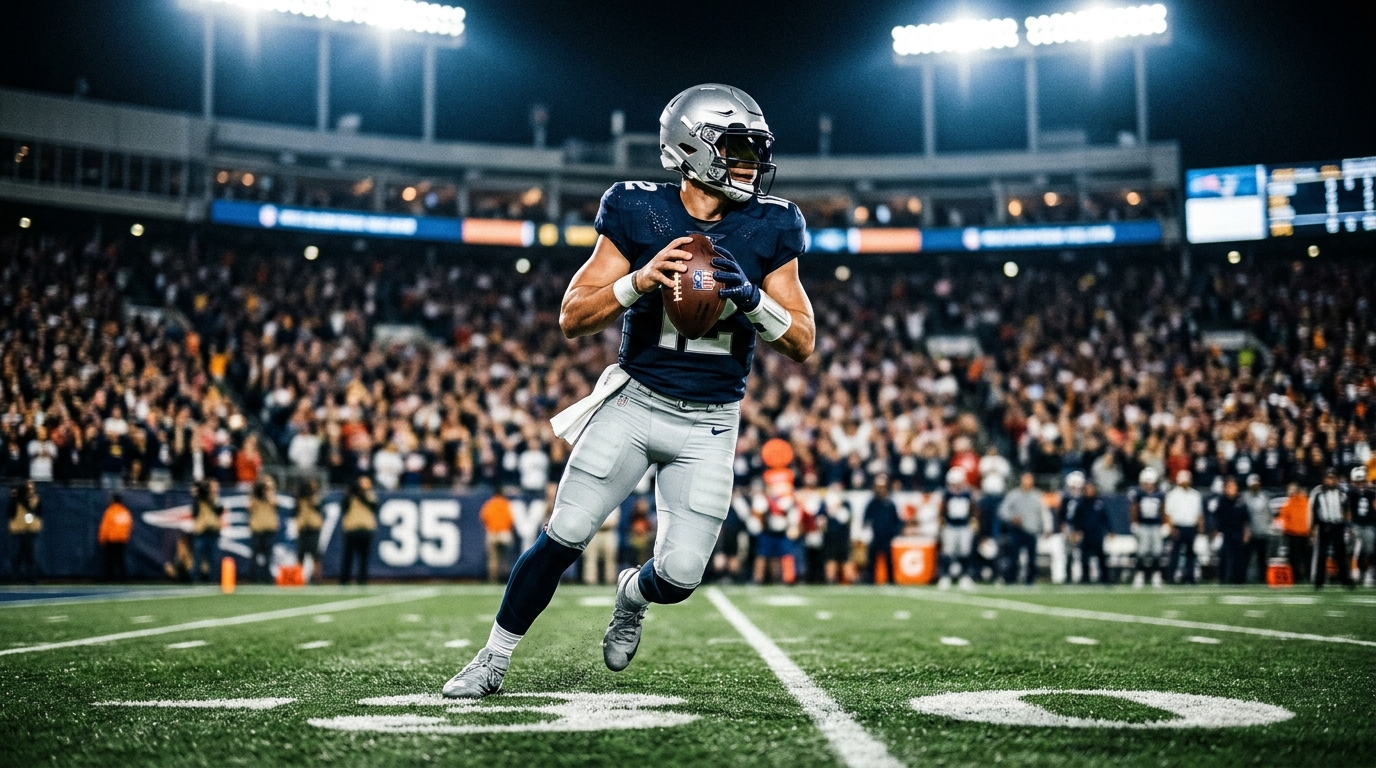
Dallas Cowboys vs San Francisco 49ers prediction: our 10-model AI panel unanimously backs the 49ers in this NFL Week 12 clash at AT&T Stadium.
The panel has spoken, and it is unanimous
When ten frontier AI models run the same NFL game through their independent simulations, you expect noise. You expect a split, a dissent, a contrarian vote. For Dallas Cowboys vs San Francisco 49ers in Week 12, there is none. The panel returns a 100% consensus for a San Francisco win, with an average confidence of 62% and a most common scoreline of 27–28.
That is the headline verdict: a strong-tier call, not a coin flip. The models see a 49ers team with the better record, the better red-zone offense and a recent head-to-head edge, and they see a Cowboys team whose home-field advantage has not translated into results. The margin, however, is consistently thin — the panel expects a close game, not a blowout.
Match context
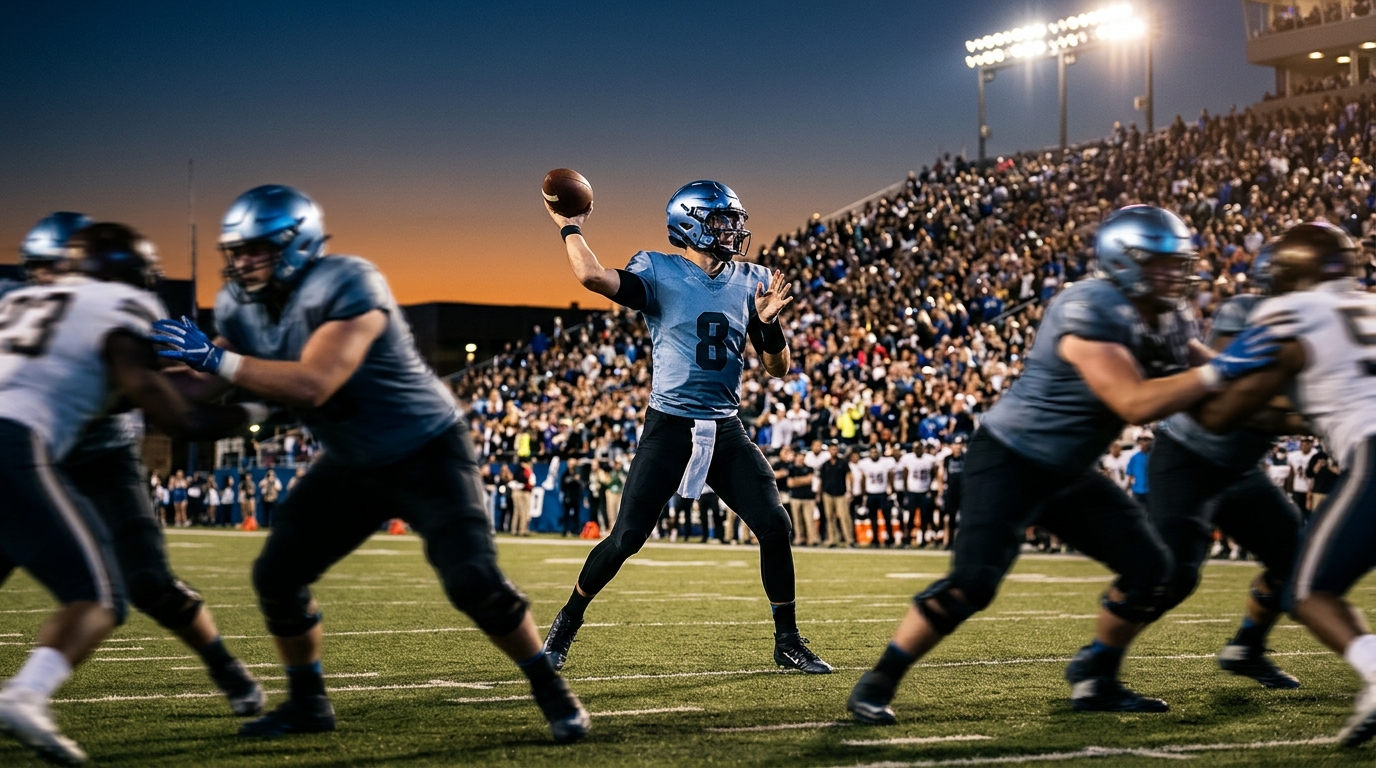
The game is a regular-season NFL fixture in Week 12, kicking off on Sunday, 15 November 2026 at 21:25 UTC at AT&T Stadium in Arlington. Both teams enter with seven days' rest, per the panel's reasoning, so there is no short-week asymmetry to account for.
The dossier frames the form gap clearly. San Francisco is 6-1 with a +58 point differential, scoring 29.4 points per game recently, and has won four straight in this head-to-head series. Dallas is 3-4 and allowing 26.4 points per game, and the models repeatedly note the Cowboys are just 1-2 at home — with two models putting that home record at 1-3. That is the context the panel is weighing, and it is why the consensus leans so heavily one way.
What the AI panel says
The consensus is as clean as it gets: Dallas Cowboys 0%, San Francisco 49ers 100%. Average confidence sits at 62%, which the panel classifies as a strong tier — a firm lean rather than an ironclad lock. The most common predicted score is 27–28, reflecting a game the models expect to be decided by a single possession.
The per-model picks are remarkably consistent in direction and only mildly varied in margin:
- GPT-6.1 Sol — 49ers win, 30-31, confidence 61%. Cites San Francisco's stronger 6-1 record and better recent scoring and red-zone efficiency, while noting Dallas's home offense keeps it close. Flags McCaffrey and Bosa as questionable.
- Claude Opus 5.5 — 49ers win, 27-28, confidence 60%. Points to the 6-1 record, +58 differential, 29.4 points per game and 93% red-zone scoring, versus Dallas at 3-4 and allowing 26.4 per game.
- Grok 4.7 — 49ers win, 20-27, confidence 66%. Emphasizes Purdy's 110.1 rating and the 93% red-zone rate, plus Dallas being 1-2 at home; 49ers injuries keep the margin modest.
- NVIDIA Nemotron 3 Ultra — 49ers win, 30-31, confidence 68%. The most confident model, citing superior offense (30 PPG, 86% red-zone) and defense (+79 point differential) against Dallas's home struggles and injury-depleted secondary.
- MiMo V2.6 Pro — 49ers win, 27-28, confidence 58%. The least confident model, noting that Pickens and Clark being questionable hurts the Cowboys, while recent head-to-head meetings have been close and high-scoring.
Even the outlier margins — Gemini 4 Argon at 24-27, Meta Muse Spark 1.3 at 23-27 — land within a field goal. The panel is not debating who wins; it is debating how narrowly.
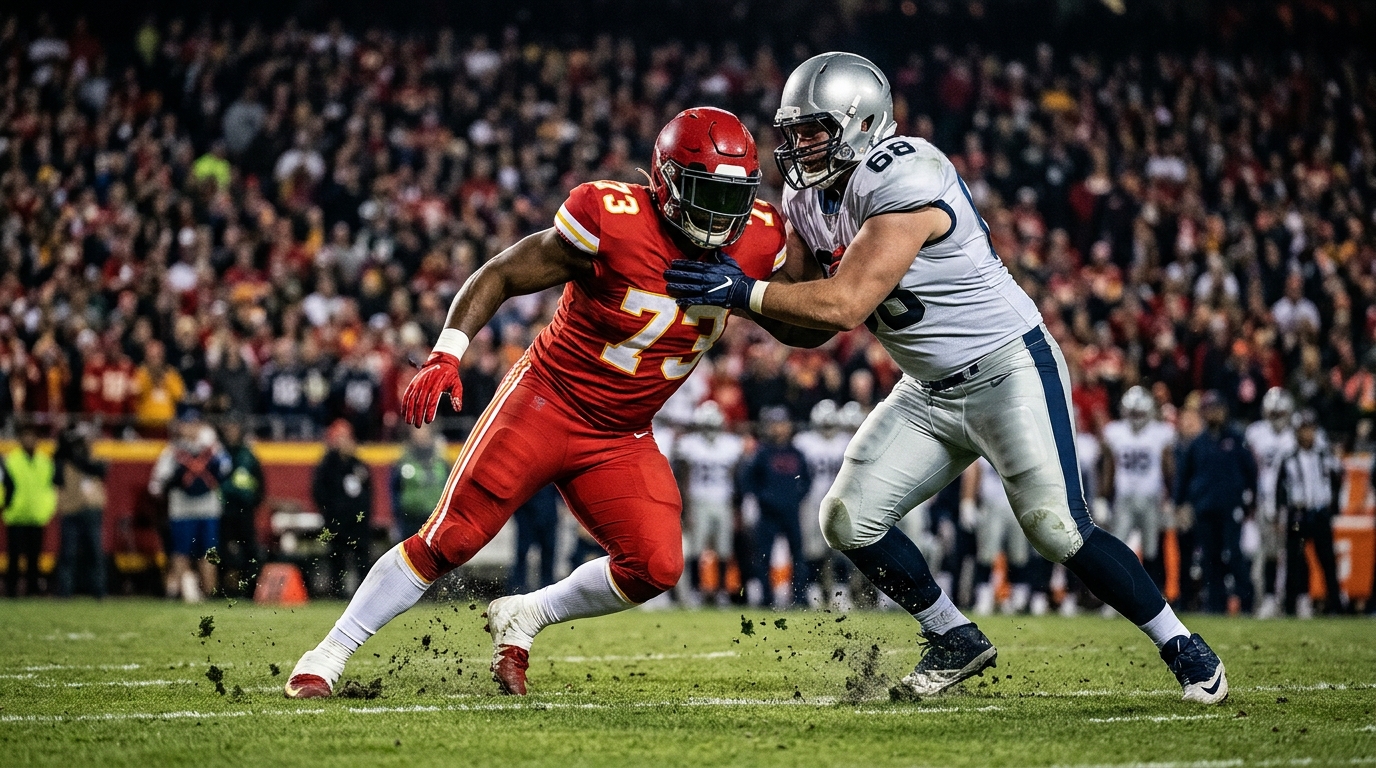
The panel expects San Francisco's efficiency to hold up against Dallas's home crowd.
Key factors
Red-zone efficiency
The single most repeated variable across the panel is red-zone conversion. San Francisco's rate is cited at 93% by most models and 86% by two, a figure the panel treats as the defining separator. Dallas is not credited with a comparable number anywhere in the dossier, and the models consistently frame the game as one where the 49ers turn trips into touchdowns more reliably.
Quarterback play and efficiency
Purdy's 110.1 passer rating appears in five separate reasoning lines, and Gemini 4 Argon frames the gap as one of overall efficiency behind Purdy. The panel treats this as a structural advantage rather than a hot-hand observation, which is why the vote is unanimous rather than merely tilted.
Home edge versus home record
The models acknowledge AT&T Stadium as a factor — Claude Opus 5.5, Qwen 3.8 Max and GLM 5.3 all explicitly credit Dallas's home edge — but they weigh it against a 1-2 home record (1-3 for two models) and find it insufficient. The home advantage is treated as a margin compressor, not a tiebreaker.
Injuries and uncertainty
Bosa and McCaffrey carry questionable tags on the San Francisco side; Pickens and Clark are flagged as questionable for Dallas in MiMo V2.6 Pro's reasoning. No quarterback is listed as out. That shared uncertainty is the main reason average confidence lands at 62% rather than higher, and it is why the projected margins stay inside a field goal.
Dallas Cowboys vs San Francisco 49ers prediction
The panel's verdict is a San Francisco 49ers win. The most common predicted score is 27–28, and that is the score to take from this consensus — a one-point 49ers victory, consistent with the narrow margins across all ten models.
Confidence of 62% is best read as a firm lean rather than a certainty. In plain terms: the models agree strongly on the direction and only moderately on the margin. A single scoreline separates the two teams in most simulations, and the questionable tags on both sides are the reason the panel stops short of a higher-confidence call. The unanimous vote share is striking, but the average confidence figure is the more honest guide to how much separation the models actually see.
The Cowboys' path to an upset runs through the home crowd and a defense that has allowed 26.4 points per game finding a way to slow San Francisco's red-zone efficiency. The models do not expect it to be enough.
For the complete model-by-model breakdown, including every projected score and confidence figure from all ten models, see the full model breakdown on TuringStats.
See every model's pick, confidence and reasoning for Dallas Cowboys vs San Francisco 49ers, or browse all upcoming NFL predictions. Forecasts are informational only and are settled against the final result after the game.