Premier League
Arteta vs Alonso: Control vs Chaos in Premier League Clash
Arteta vs Alonso: Arsenal's control meets Chelsea's chaos in a tactical battle that could define the season. Preview and analysis.
When Mikel Arteta and Xabi Alonso face each other as managers for the first time in the Premier League, it will be more than a clash of two title contenders. It will be a meeting of opposing football philosophies — one built on order and precision, the other embracing chaos and human fallibility. The late kick-off at the Emirates on Sunday pits Arsenal's relentless control against Chelsea's early-season turbulence under their new Spanish boss.
Tactical historian Jonathan Wilson, writing in the Guardian, frames this as a modern-day Apollo versus Dionysus duel, reminiscent of the early Guardiola-Klopp rivalry. But as the season unfolds, both sides are already showing signs of evolution, making this encounter a fascinating data point for analysts and AI prediction models alike.
The Philosopher Kings: From San Sebastian to the Premier League
Arteta and Alonso share more than a nationality. Both emerged from the same youth system at Antiguoko in San Sebastian, and both were moulded by the tactical rigour of Spanish football. Yet their paths have diverged sharply. Arteta, four months younger, has spent seven years at Arsenal, gradually tightening his grip on every aspect of the club. Alonso, after a stellar playing career, took Leverkusen to an unbeaten Bundesliga title with a style that dominated possession and pressed intelligently.
Now at Chelsea, Alonso faces a different challenge. His first two league games have been chaotic — a 3-2 win over Fulham and a 4-3 thriller against Brighton, both characterised by low possession figures. Against Fulham, Chelsea had just 38% of the ball; against Brighton, a mere 26%. This is a stark departure from the 62% average possession his Leverkusen side enjoyed during their title-winning campaign.
But Alonso is not a disciple of Klopp's heavy-metal football. His influences are Toshack, Benitez, Del Bosque, and Guardiola. The chaos we've seen is born of circumstance, not design. Chelsea have led early in both matches and have been content to cede control, relying on the devastating counter-attacking trio of Joao Pedro, Cole Palmer, and Morgan Rogers.
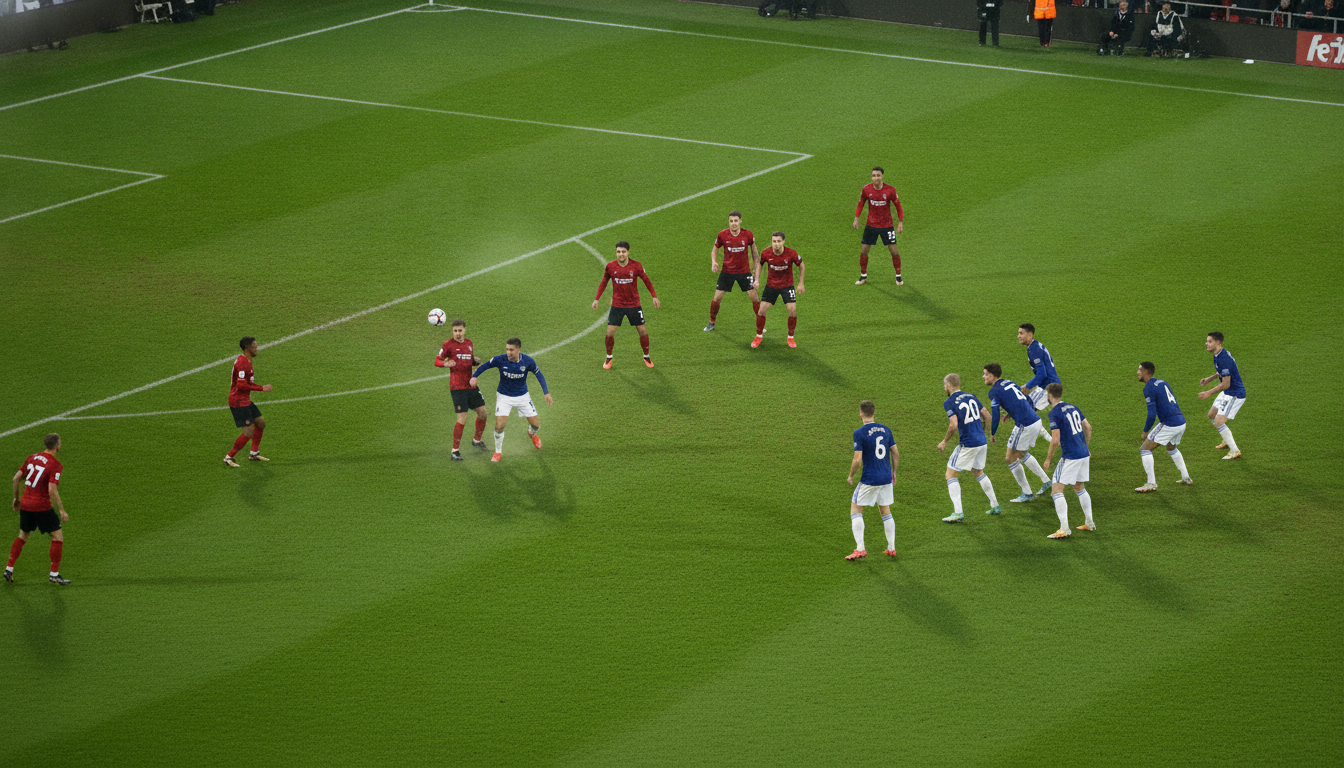
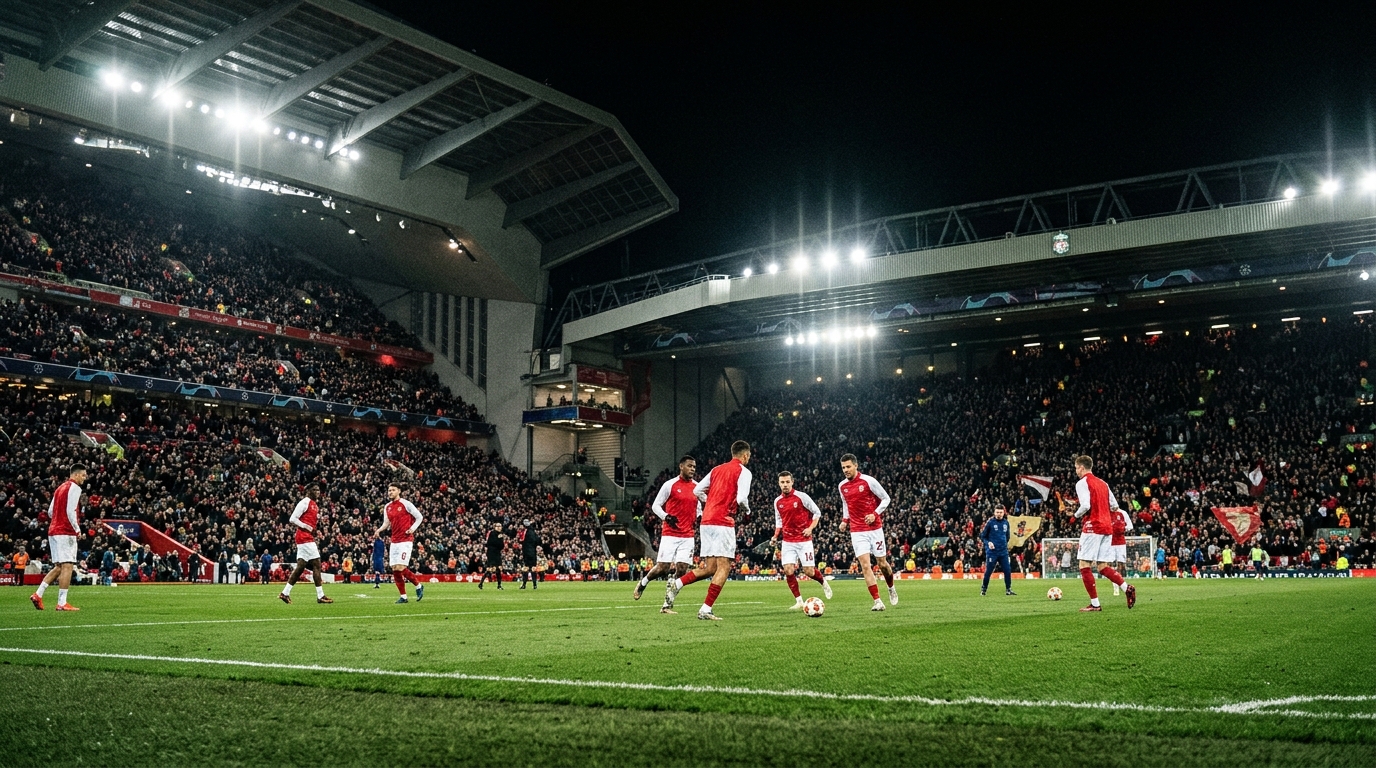
Arsenal's structured press against Chelsea's deep defensive block.
Arsenal's Quest for Total Control
Arteta's Arsenal, by contrast, have been immaculate. They have yet to concede a goal this season, dismantling Manchester City 3-0 in the Community Shield and brushing aside Coventry by the same scoreline in their league opener. Even against Aston Villa, they were patient, increasing pressure until Bukayo Saka broke the deadlock before the 60-minute mark.
Last season, Arsenal won the Premier League by conceding seven fewer goals than the previous campaign. Arteta's obsession with reducing opponents' expected goals (xG) to near zero has been well documented. Critics call it boring, pointing to an over-reliance on set pieces and excessive pragmatism. But the results speak for themselves. Arsenal are champions, and Arteta's methods have been vindicated.
Yet there is a lingering question: with the burden of ending a two-decade title drought lifted, will Arteta allow his team more freedom? Could this be a more expansive, liberated Arsenal? The evidence from the Champions League final last season suggests not — but that was born of exhaustion, not choice. Arsenal had nine players with over 2,000 domestic minutes, compared to just three for PSG, and the demands of the Premier League take a greater physical toll.
Transfer Strategy: Depth Over Stardust
Arsenal's summer business has been pragmatic. After adding squad depth last year, they have focused on upgrading key positions this time. The midfield and defence look stronger, but letting three left-sided players leave while bringing in only Christos Tzolis is a gamble. Young Max Dowman may see more minutes, but if Arsenal's psychological freedom translates into a more open style, it would be a surprise. Control remains their tactical cornerstone.
Chelsea's Chaos: A Work in Progress
Chelsea's early-season chaos is not a deliberate strategy. Alonso's ideas are still being absorbed by a squad that underwent significant turnover. The 3-4-2-1 formation, often seen as a defensive tool, has shown flexibility — witness Maxence Lacroix, a centre-back, marauding forward to assist Rogers against Fulham. But these patterns need time to become instinctive.
The midfield is a concern. Selling Enzo Fernandez without a like-for-like replacement has left them short in the centre of the park — an irony for a club with such a bloated squad. If Romeo Lavia stays fit and Reece James's minutes are managed, the puzzle might solve itself. But Moises Caicedo's knee injury complicates matters, especially with Alonso seemingly reluctant to trust 22-year-old Valentin Barco. Without Caicedo, Chelsea's midfield lacks creativity and ball retention.
Against Arsenal, Chelsea are likely to sit deeper and rely on discipline. The double pivot in front of a back three should offer security, but it will need to function seamlessly against Arteta's well-drilled side. The key will be to turn the game into a midfield battle, where mistakes are punished by clinical forwards.
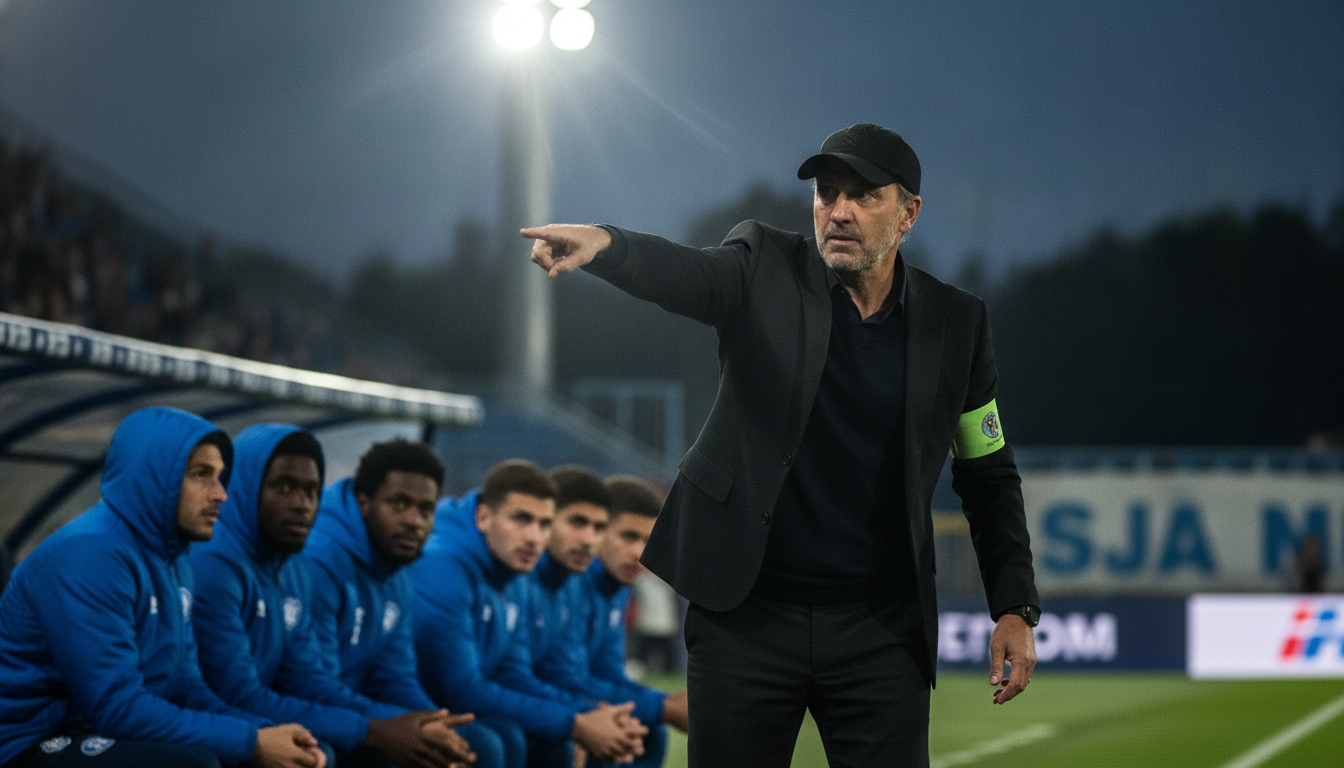
Alonso orchestrates from the touchline, seeking to tame the chaos.
What the Data Says: A Prediction for the Match
From an AI prediction standpoint, Arsenal enter as clear favourites. Their defensive solidity — zero goals conceded — and home advantage are significant factors. Chelsea's xG against in their two matches has been high, suggesting that while they've won, they've been porous. Arsenal's control-based approach should limit Chelsea's counter-attacking opportunities, especially if they maintain their high press and positional discipline.
However, Chelsea's counter-attacking threat cannot be underestimated. Palmer and Rogers have the pace and directness to punish any defensive lapse. The data suggests a low-scoring game, with Arsenal likely to dominate possession and create more chances. A 2-0 or 2-1 Arsenal win seems the most probable outcome, but Chelsea's chaos could spring a surprise if they can convert their limited opportunities.
A Defining Moment in the Title Race
This match is more than a test of tactics; it is a statement of intent. Arsenal are seeking to establish themselves as the Premier League's dominant force, while Chelsea are rebuilding under a new manager with a clear philosophy. The result could shape the narrative for months to come.
For Arteta, a win would reinforce his control-based approach and send a message to rivals. For Alonso, a positive result against the champions would validate his methods and buy time for his ideas to take root. As these two childhood friends — now rivals — prepare to do battle, the football world watches with bated breath. The Arteta vs Alonso rivalry is just beginning, and Sunday's clash could be the first chapter of a long and fascinating story.
In the end, the Premier League title race may well be decided by which philosophy — control or chaos — proves more sustainable over 38 games. Arsenal's systematic brilliance has already delivered one title. Chelsea's improvisational flair, if Alonso can harness it, might just be the antidote. The AI models may favour Arteta's order, but football, as always, reserves the right to be gloriously unpredictable.