Insights
AI Models Converge on Spain as Leading Contender for 2026 FIFA World Cup Title
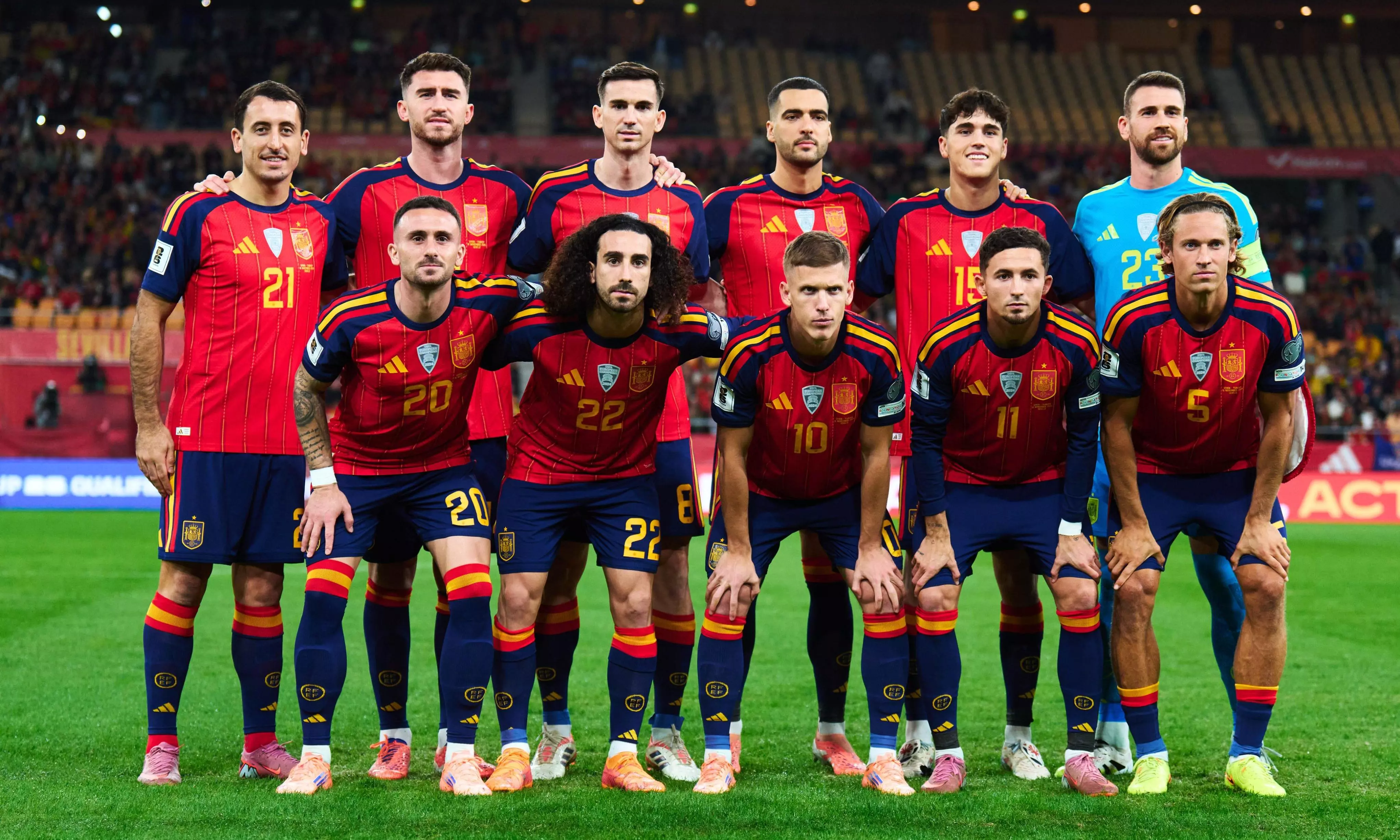
AI-driven predictive models are increasingly converging on Spain as the most likely winner of the FIFA World Cup 2026, highlighting the team’s tactical evolution, squad balance, and consistent dominance across large-scale simulations.
As the countdown to the FIFA World Cup 2026 intensifies, a growing body of AI-driven analysis is pointing toward a clear frontrunner: the Spain national football team. Leveraging large-scale data, historical performance metrics, and advanced predictive modeling, multiple artificial intelligence systems are increasingly aligning around Spain as the most probable champion of this year’s tournament.
Data-Driven Confidence
Modern AI prediction models incorporate a wide array of variables, including squad depth, player form, tactical consistency, injury records, and even travel logistics. Spain emerges as a standout across these dimensions. The team’s recent performances in international competitions, combined with a new generation of technically gifted players, have significantly strengthened its statistical profile.
Unlike traditional punditry, which often relies on subjective assessment, AI models process thousands of data points simultaneously. In these simulations, Spain consistently reaches the latter stages of the tournament and converts a high percentage of those runs into championship victories.
Tactical Stability Meets Emerging Talent
One of the key factors highlighted by AI systems is Spain’s tactical identity. Known for its possession-based “tiki-taka” philosophy, Spain has evolved into a more direct and dynamic side without losing its core principles. This balance between control and adaptability gives the team a strategic edge against both defensive and high-pressing opponents.
Additionally, the emergence of young talents—combined with experienced leadership—creates a squad profile that AI models favor: a blend of peak-age performers and high-upside prospects. This balance tends to correlate strongly with tournament success in predictive simulations.
Consistency in Simulations
Across multiple independent AI models, Spain’s probability of winning the tournament frequently ranks at or near the top, often outperforming traditional powerhouses such as Brazil, France, and Argentina. While no prediction is absolute, the convergence of results across different systems increases confidence in the forecast.
It is important to note that AI predictions are probabilistic, not deterministic. Football remains inherently unpredictable, and knockout tournaments are particularly susceptible to variance. However, when multiple models—trained on different datasets and methodologies—arrive at the same conclusion, it signals a statistically meaningful trend.
The Role of AI in Modern Sports Forecasting
The growing influence of AI in sports analytics reflects a broader shift in how outcomes are evaluated. From scouting and performance optimization to fan engagement and betting markets, machine learning is reshaping the landscape. In the context of the World Cup, AI offers a more objective lens through which to assess team strength and potential trajectories.
Conclusion
While the unpredictability of football ensures that no outcome is guaranteed, current AI-driven research suggests that Spain holds the highest probability of lifting the trophy at the 2026 World Cup. Whether this prediction materializes will ultimately depend on execution on the pitch—but for now, the data points firmly in Spain’s favor.