World Cup 2026
World Cup 2026 Group H Preview: Spain Eye Top Spot, Uruguay Tread Carefully
Group H at the 2026 FIFA World Cup brings together a compelling mix of elite pedigree and emerging ambition. Spain arrive as one of the tournament favorites, Uruguay carry the battle-hardened soul of South American football, Saudi Arabia dream of lightning striking twice, and debutants Cape Verde write the latest chapter in African football's rise. Here is our in-depth analysis of every team's prospects.
Group H at the 2026 FIFA World Cup: A Fascinating Four-Team Battle
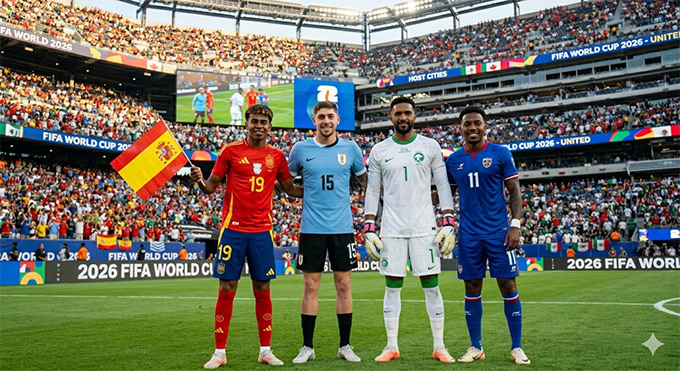
The 2026 FIFA World Cup is set to be the grandest edition of the tournament ever staged, expanding to 48 teams across three host nations — the United States, Canada, and Mexico. Among the 12 groups that will shape the knockout rounds, Group H stands out as one of the most intriguing, offering a blend of world-class quality, South American grit, Asian flair, and the heartwarming story of an African debutant. Headlined by reigning European champions Spain and the battle-tested warriors of Uruguay, the group also features a Saudi Arabian side hungry for another giant-killing act and Cape Verde — a tiny island nation making their historic first appearance on football's grandest stage.
Here is TuringStats' in-depth preview and analysis of every team in Group H, along with our predictions for who will advance to the Round of 32.
Spain — La Roja's Ticket to the Knockout Round Looks All But Certain
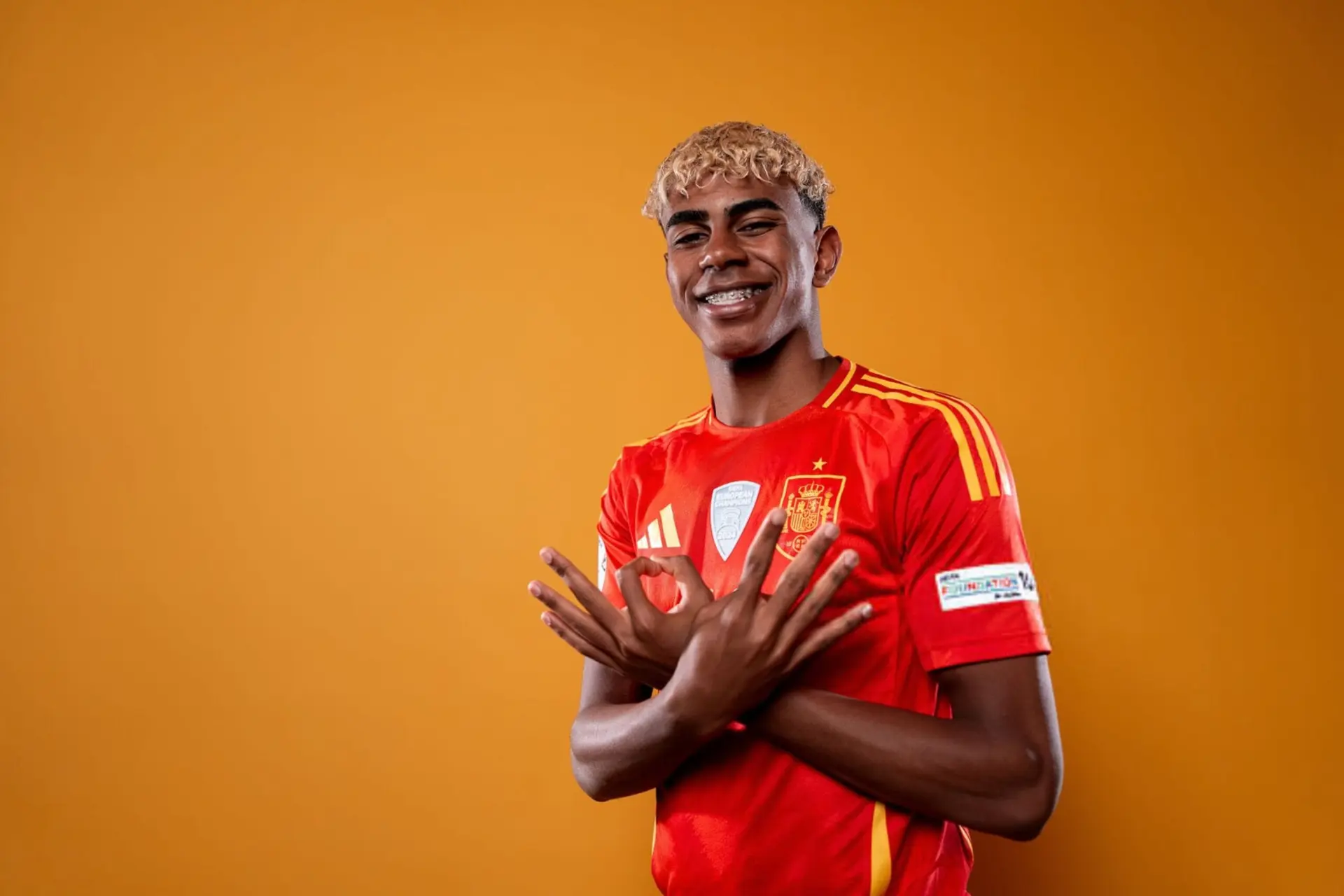
Spain arrive at the 2026 World Cup riding a wave of momentum that few nations in international football can match. Under the meticulous stewardship of head coach Luis de la Fuente, La Roja have re-established themselves as the benchmark for modern international football — combining the possession-based tiki-taka philosophy that made them legendary with a more direct, explosive edge that their predecessors sometimes lacked.
The foundation of Spain's strength lies in what many observers are calling their finest generational blend since the golden era of 2008–2012. Veterans who have endured World Cup disappointments stand alongside a new wave of supremely talented youngsters shaped in the LaLiga academies of Barcelona, Real Madrid, and Atletico Madrid. This creates a squad that is both experienced enough to handle the pressure of major tournaments and young enough to sustain high-intensity pressing throughout a grueling schedule.
In qualifying, Spain were virtually flawless. They conceded very few goals, kept their defensive structure tight, and produced a relentless offensive output. Their high press — arguably the most cohesive among all World Cup participants — suffocates opponents and consistently forces turnovers in dangerous areas. When teams do manage to hold their own shape against Spain's press, the individual quality of their attacking players ensures they can still unlock defenses through creativity and movement.
The match against Uruguay will effectively serve as the group's decisive encounter — the winner almost certainly sealing top spot. However, even if La Roja were to drop points in that fixture, their class against Saudi Arabia and Cape Verde ensures that qualification for the knockout stages is virtually guaranteed. Expect Spain to be one of the last teams standing when the tournament reaches its climax.
Qualification probability: 95%
Uruguay — South American Resilience Is Their Greatest Weapon
Uruguay are, by any objective measure, one of the most historically significant football nations on earth. Four-time World Cup finalists, twice champions — in 1930 and 1950 — the Celeste carry an almost mythological weight into every tournament they enter. In 2026, that legacy continues with a squad that may not be the most technically dazzling in the competition but possesses the determination, physicality, and tactical intelligence to cause serious problems for anyone.
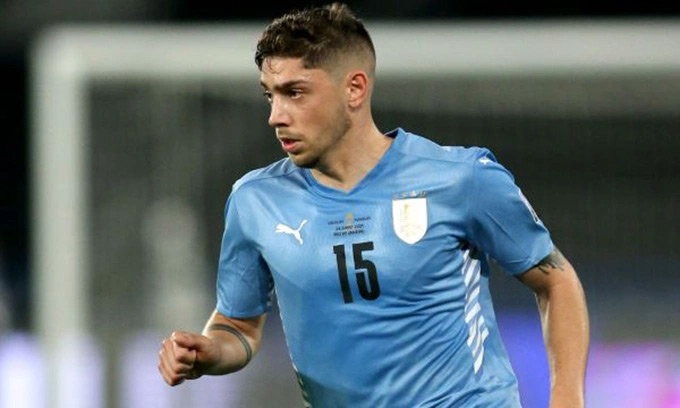
The spine of this Uruguay team is formidable. Federico Valverde, the Real Madrid midfield dynamo who combines box-to-box energy with pinpoint long-range striking ability, is arguably one of the five best midfielders in the world heading into this tournament. Darwin Núñez, the powerful Liverpool striker who polarizes opinion but undeniably brings a relentless pressing intensity and lethal pace in behind, leads the line with conviction. At the back, Ronald Araújo — when fit — provides exactly the kind of commanding central defensive presence that high-level tournament football demands.
Under Marcelo Bielsa, one of football's most celebrated and eccentric tactical minds, Uruguay have shown genuine moments of breathtaking attacking football. Bielsa's characteristic high defensive line, aggressive pressing triggers, and vertical attacking principles have been woven into the Celeste's DNA. Yet the system can leave Uruguay exposed on the counter when their press is beaten, and the squad's depth at certain positions remains a concern over the course of a long tournament.
In Group H, Uruguay's path to qualification is relatively clear — so long as they handle their expected victories against Saudi Arabia and Cape Verde professionally. A slip in either of those games would immediately open the door for an unexpected drama. The clash with Spain is the real test: even a draw would be an excellent result for Uruguay and could set the tone for a deep run.
History favors Uruguay in tight knockout situations. Their defensive solidity, set-piece threat, and mental toughness at World Cups have seen them punch well above their weight for decades. Group H should see them through, but complacency is their biggest enemy.
Qualification probability: 75%
Saudi Arabia — Can Lightning Strike Twice?
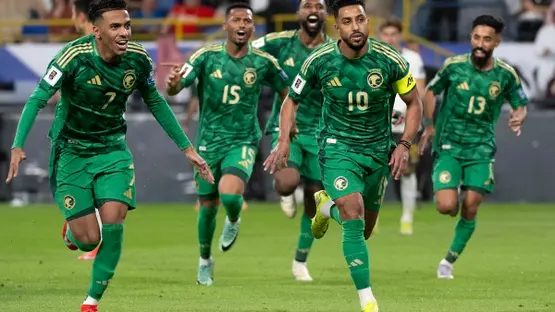
No single moment from the 2022 FIFA World Cup in Qatar created more seismic shockwaves than Herve Renard's Saudi Arabia dismantling Lionel Messi and Argentina 2-1 in one of the tournament's greatest upsets. That result did not just inspire a nation — it permanently altered the perception of Asian football's potential on the global stage. Four years on, Saudi Arabia return to a World Cup with the weight of that glorious memory on their shoulders and the desire to replicate it.
The Green Falcons are a transformed proposition from even a few years ago. The Saudi Pro League's explosive growth — fueled by the arrivals of global superstars — has raised the domestic standard and given Saudi internationals regular exposure to high-quality training environments and elite teammates. The team's identity is built around rapid transitions: a low defensive block that absorbs pressure, lightning-quick counter-attacks, and a collective work ethic that can unsettle higher-ranked opponents if given the right game state.
Their vulnerability, however, is pronounced against teams with patient, technical build-up play. Spain, in particular, are precisely the kind of opponent that can methodically dismantle Saudi Arabia's defensive structure by recycling possession until gaps appear. Uruguay, too, possess the physical attributes and directness to overpower a Saudi defensive line that can be stretched vertically.
Realistically, Saudi Arabia's route to advancement runs through their opening group games. A victory over Cape Verde is considered essential. From there, collecting a surprise result against either Spain or Uruguay — perhaps leveraging the momentum of an early lead, as they managed against Argentina — represents their best hope of reaching the knockout round. The tournament expanded format, with four third-place teams advancing from groups, also gives them a slight lifeline.
Dreams of another giant-killing are not fanciful in isolation, but they require near-perfect execution. Saudi Arabia are a genuinely dangerous side on their best days; the question is whether they can sustain that level across three demanding Group H fixtures.
Qualification probability: 20%
Cape Verde — Rewriting the Script of African Football
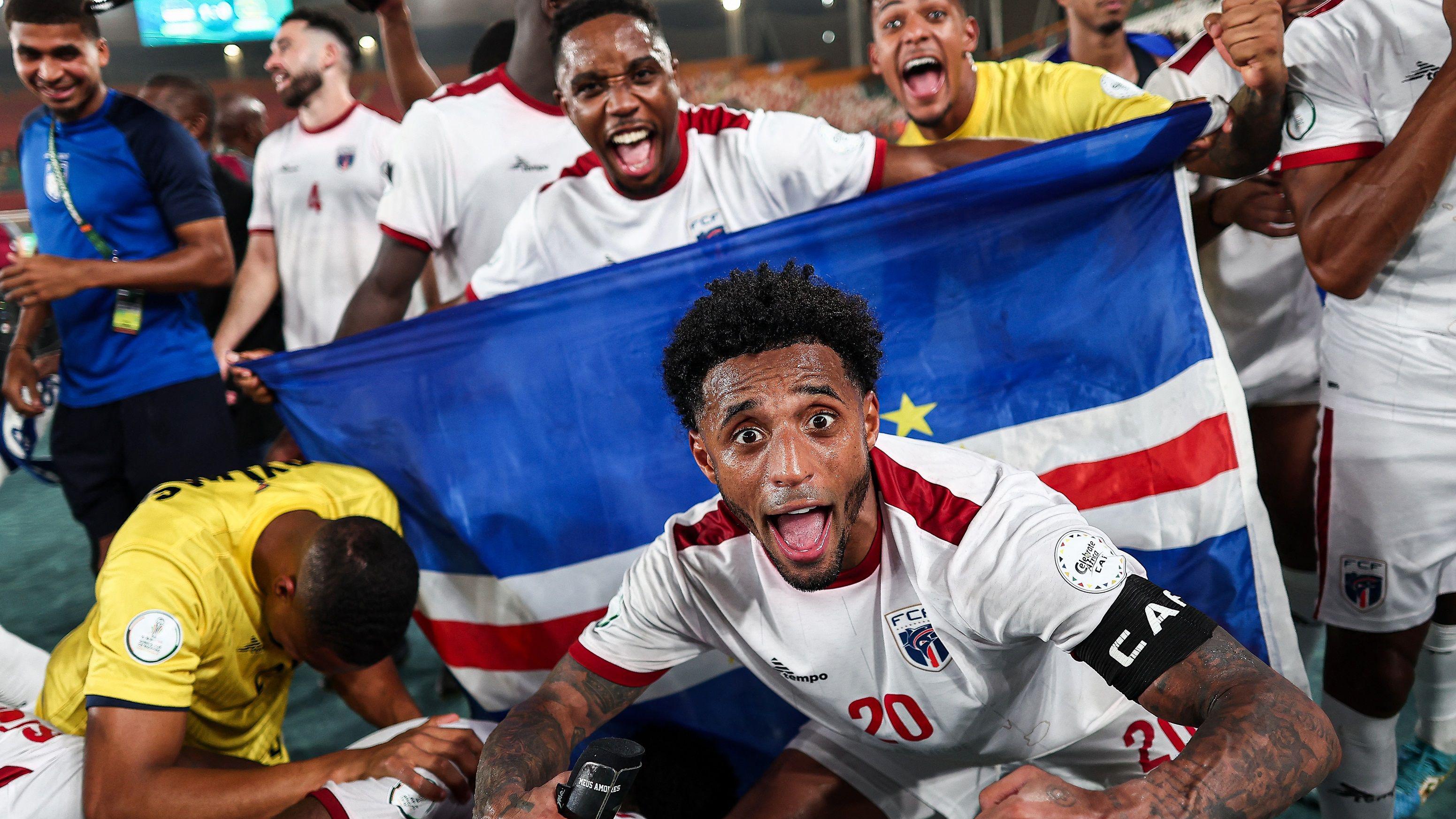
Perhaps no story in the entire 2026 World Cup qualifiers captured the imagination quite like Cape Verde's. The Blue Sharks — representing a volcanic archipelago nation off the coast of West Africa with a population of just over 500,000 people — navigated the highly competitive CAF qualification process to earn their place among the sport's elite for the very first time. It is an extraordinary achievement that speaks to the depth, passion, and growing infrastructure of African football.
What makes Cape Verde particularly compelling as a neutral is their tactical sophistication. This is not a team that simply relies on physical attributes or individual flashes of brilliance. Coach Pedro Leitão has built a side rooted in defensive organization and collective discipline. Their defensive block is compact and hard to play through, they transition quickly when they win the ball, and they play without fear — a quality that serves underdogs tremendously well in tournaments where psychological pressure can be decisive.
Several Cape Verde players earn their livings at clubs across Portugal, France, and other European leagues, giving them the technical quality to compete at this level for short periods. The challenge is maintaining that level over the full 90 minutes against opponents like Spain and Uruguay, whose technical and physical resources simply dwarf their own.
Cape Verde's realistic ambition in Group H is to register a memorable performance — ideally a result against Saudi Arabia — and to demonstrate that their presence at this tournament is no fluke. A victory against the Saudis is not inconceivable; stranger things have happened at World Cups. But advancing to the knockout round would require an alignment of circumstances that goes beyond anything reasonably predictable.
Regardless of their results on the pitch, Cape Verde have already won something invaluable: the right to call themselves World Cup participants. That alone will inspire a generation of young players across their islands and across the African continent.
Qualification probability: 10%
Key Fixtures to Watch
The defining match of Group H will almost certainly be the head-to-head between Spain and Uruguay. Both teams will be aware that winning this fixture not only secures top spot but also provides the psychological advantage of entering the knockout round as group winners — often resulting in a more favorable draw. Expect a tightly contested, tactically fascinating encounter between two philosophically different schools of football: Spain's possession dominance versus Uruguay's vertical intensity and physical press.
The Saudi Arabia vs. Cape Verde fixture also deserves close attention. For Saudi Arabia, this is effectively a must-win if they harbor any serious qualification ambitions. For Cape Verde, it represents their best chance of a positive result and potentially one of the iconic giant-killing moments in World Cup history.
TuringStats Group H Predicted Final Standings
Based on our analysis of squad quality, tactical profiles, historical tournament performance, and head-to-head matchups, here is how we project Group H to finish:
1. Spain — The class of the group, with a near-certainty of advancing as group winners. Expect maximum points from Saudi Arabia and Cape Verde, with the Uruguay clash the only game that could go either way.
2. Uruguay — South American resilience and individual brilliance should be enough to secure second place, provided they handle the games they are expected to win. The Bielsa factor adds both upside and unpredictability.
3. Saudi Arabia — A potential third-place finish, with an outside chance of advancing as one of the best third-place teams. Their fate depends largely on whether they can produce another iconic upset moment when it matters most.
4. Cape Verde — A historic first World Cup appearance to be celebrated, but the talent gap against the top three makes advancement a long shot. The Blue Sharks can still leave their mark on the tournament.
Group H may not be the most unpredictable group in the 2026 World Cup field, but it offers a richness of storylines, contrasting playing styles, and genuine quality at the top that makes it one of the must-watch groups of the tournament. Whether Spain steamroll their way to top spot or Uruguay engineer the kind of gritty campaign that has made them tournament legends, football fans around the world will be tuning in.